

Egg Roti vs Dry Thai Sukiyaki: Which Has Fewer Calories?
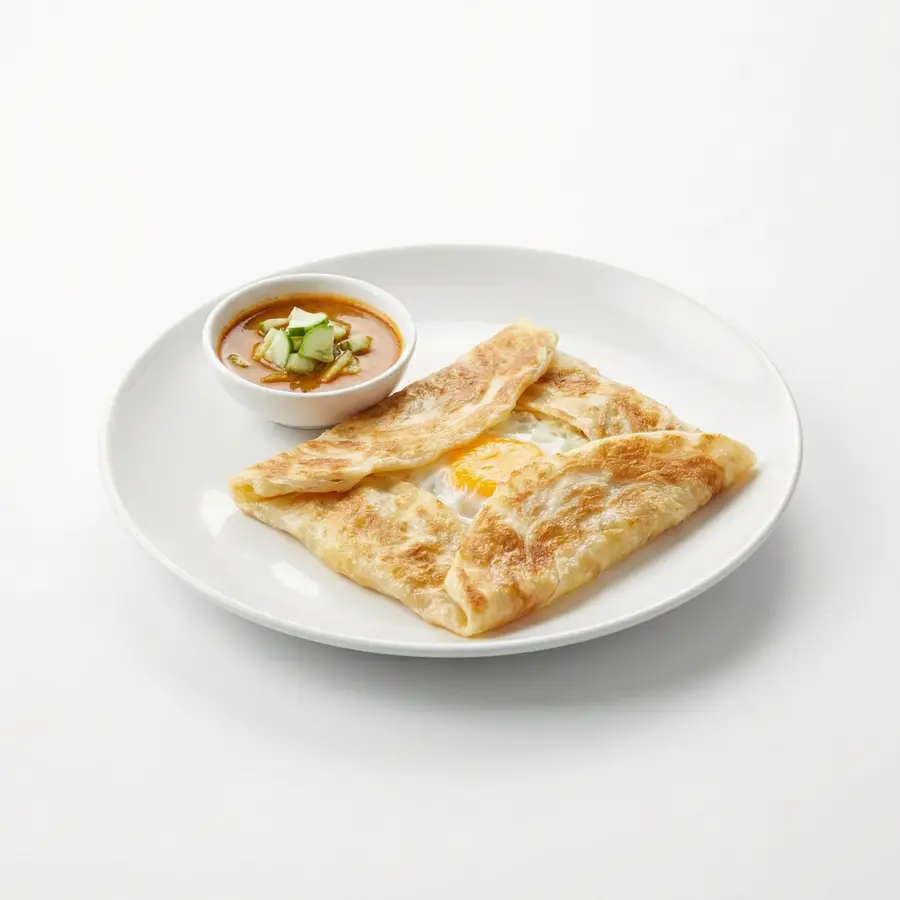
Egg Roti
per 1 piece
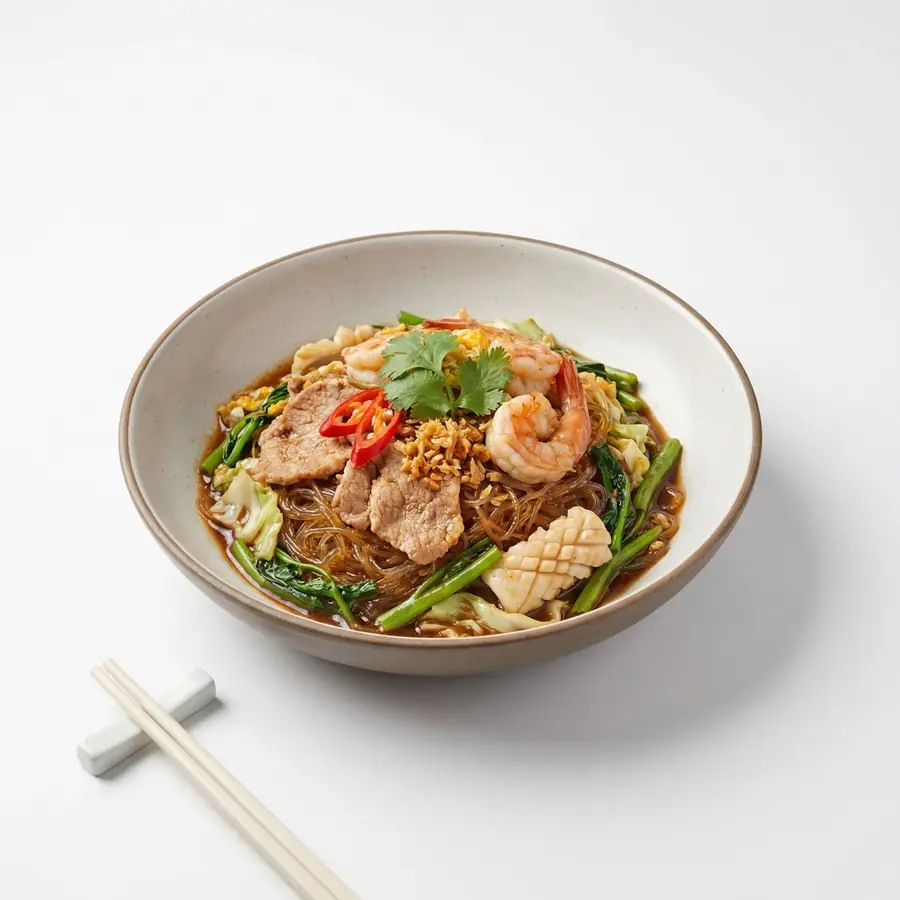
Dry Thai Sukiyaki
per 1 plate (320g)
Quick Summary
Dry Thai Sukiyaki is usually the lighter pick if your main goal is controlling calories.
Dry Thai Sukiyaki is the lighter overall choice based on calories and macro balance.
Quick Decision Guide
Egg Roti makes more sense if you value what this side does best, such as better balance.
Dry Thai Sukiyaki can still be the better pick if you prefer its flavor, fullness, or macro profile.
Related Pages
Dry Thai Sukiyaki
Nutrition Comparison
| Egg Roti 1 piece | Dry Thai Sukiyaki 1 plate (320g) | |
|---|---|---|
| Calories | 480 | 390 ✓ |
| Protein | 12g | 26g ✓ |
| Carbs | 42g | 34g ✓ |
| Fat | 28g | 14g ✓ |
| Fiber | 1g | 3g ✓ |
Detailed Comparison
Egg Roti has about 480 calories with 12g protein, 42g carbs, and 28g fat. Dry Thai Sukiyaki has about 390 calories with 26g protein, 34g carbs, and 14g fat. The calorie difference is about 90 calories. Dry Thai Sukiyaki comes out ahead for a lighter overall choice. For everyday tracking, compare the full plate rather than the menu name alone because recipes and restaurant portions vary.
Snap a Photo, Get the Calories
Whether you go with Egg Roti or Dry Thai Sukiyaki, just snap a photo of your meal — GinFit's AI counts the calories for you and builds a personalized meal plan to help you lose weight.
Scan with GinFitFrequently Asked Questions
Which has fewer calories, egg roti or dry thai sukiyaki?
Dry Thai Sukiyaki usually has fewer calories in this comparison.
What else should I compare besides calories?
Protein, carbs, fat, serving size, sauce, oil, and toppings all affect how well a meal fits your goal.