

Thai Stir-Fried Soy Sauce Noodles vs Stir-Fried Glass Noodles: Which Has Fewer Calories?
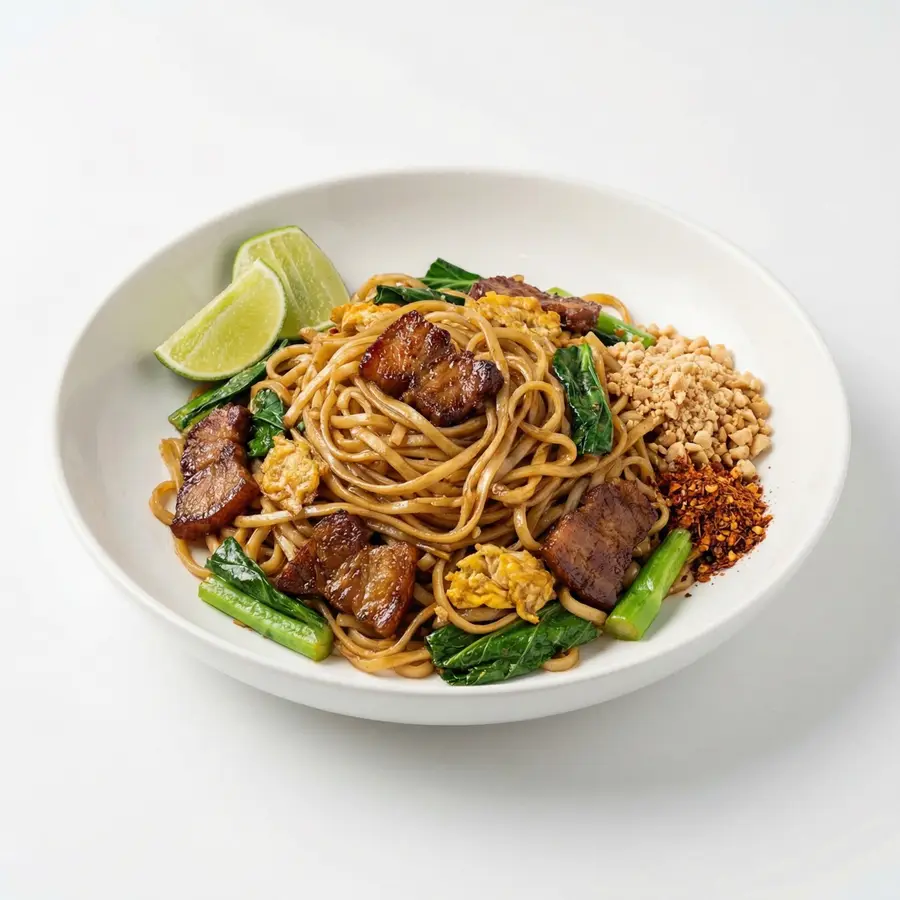
Thai Stir-Fried Soy Sauce Noodles
per 1 plate (350 g)
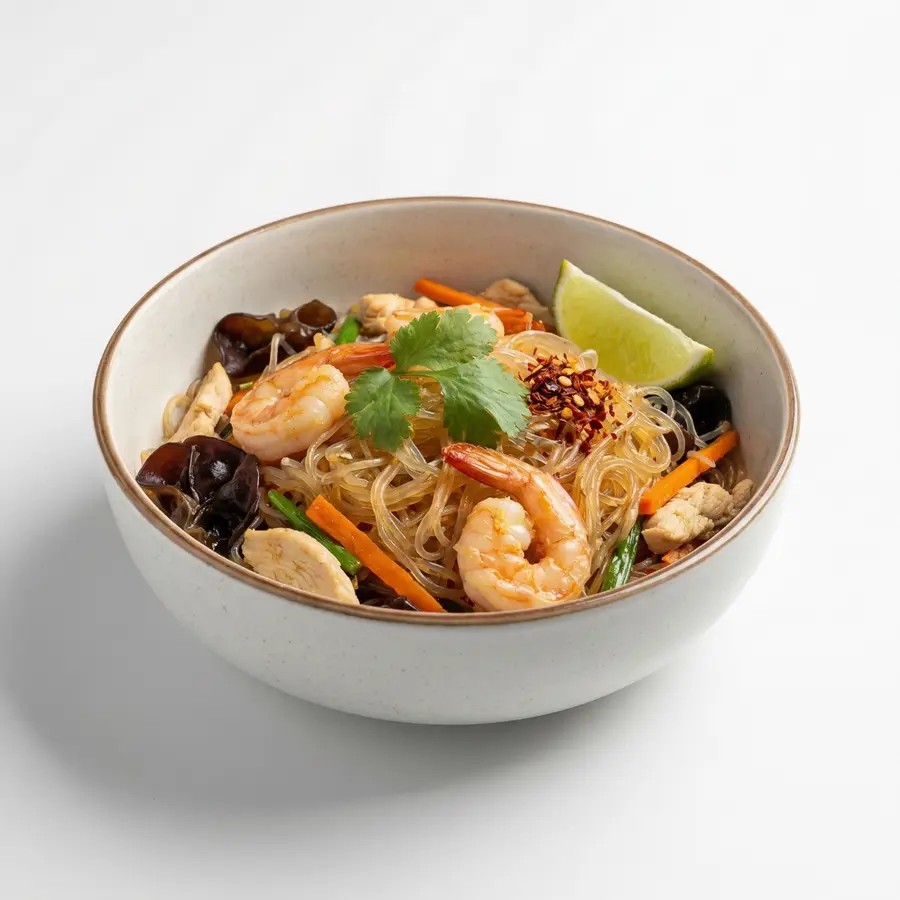
Stir-Fried Glass Noodles
per 1 plate
Quick Summary
Stir-Fried Glass Noodles is usually the lighter pick if your main goal is controlling calories.
Stir-Fried Glass Noodles is the lighter overall choice based on calories and macro balance.
Quick Decision Guide
Thai Stir-Fried Soy Sauce Noodles makes more sense if you value what this side does best, such as higher protein.
Stir-Fried Glass Noodles can still be the better pick if you prefer its flavor, fullness, or macro profile.
Related Pages
Thai Stir-Fried Soy Sauce Noodles
Stir-Fried Glass Noodles
Nutrition Comparison
| Thai Stir-Fried Soy Sauce Noodles 1 plate (350 g) | Stir-Fried Glass Noodles 1 plate | |
|---|---|---|
| Calories | 550 | 420 ✓ |
| Protein | 20g ✓ | 18g |
| Carbs | 60g | 50g ✓ |
| Fat | 25g | 15g ✓ |
Detailed Comparison
Thai Stir-Fried Soy Sauce Noodles has about 550 calories with 20g protein, 60g carbs, and 25g fat. Stir-Fried Glass Noodles has about 420 calories with 18g protein, 50g carbs, and 15g fat. The calorie difference is about 130 calories. Stir-Fried Glass Noodles comes out ahead for a lighter overall choice. For everyday tracking, compare the full plate rather than the menu name alone because recipes and restaurant portions vary.
Snap a Photo, Get the Calories
Whether you go with Thai Stir-Fried Soy Sauce Noodles or Stir-Fried Glass Noodles, just snap a photo of your meal — GinFit's AI counts the calories for you and builds a personalized meal plan to help you lose weight.
Scan with GinFitFrequently Asked Questions
Which has fewer calories, thai stir-fried soy sauce noodles or stir-fried glass noodles?
Stir-Fried Glass Noodles usually has fewer calories in this comparison.
What else should I compare besides calories?
Protein, carbs, fat, serving size, sauce, oil, and toppings all affect how well a meal fits your goal.